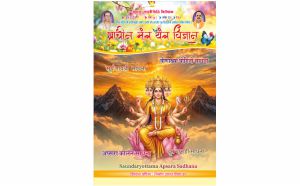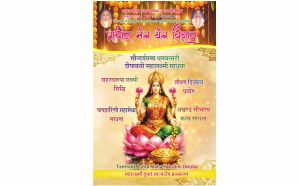



Apsara Sadhana is considered one of the most complex and challenging spiritual practices. This difficulty arises mainly because it involves many detailed procedures, many mantras, and a wide variety of methods. In fact, even for a single Apsara, there can be nearly twenty different ways to perform the sadhana. Each method has its own rules, discipline, and spiritual alignment. Because of this complexity, success in Apsara Sadhana depends not on effort alone, but on correct knowledge and guidance.
The most important requirement for success in this field is following the right procedure. Knowing which method is suitable, which mantra is effective, and how to perform the Sadhana correctly is critical. This knowledge cannot be gained from books alone. Only a true and knowledgeable Guru can guide a disciple properly. Such a Guru understands not only the mantras and rituals but also their deeper meaning, correct pronunciation, timing, and spiritual conditions required for success.
The mantras and methods used in Apsara Sadhana have a long history. Great sages such as Garg, Kanad, Pulatsya, Vashishtha, Vishwamitra, and many others successfully performed these sadhanas. Through their dedication, discipline, and spiritual strength, they attained positive results. It is also widely accepted in spiritual traditions that many ancient sages practiced Apsara Sadhana and achieved success in their own ways.
Each of these sages followed a unique approach. Their understanding, mindset, and spiritual environment shaped the procedures they used. During their time, those methods were highly effective. However, an important question arises today: Are those same methods still effective in the modern era? Can the same mantras, disciplines, and long-term practices produce similar results for present-day sadhaks?
To understand this, we must consider the difference between ancient times and modern life. Our ancestors used oil lamps at night to remove darkness. Today, we use electricity instead. This does not mean lamps were wrong—only that technology evolved. We adopted a better and more practical solution suited to our time. Similarly, spiritual practices have also evolved. Over time, sages refined and improved methods of Sadhana to make them more suitable for changing lifestyles, mental capacities, and social conditions.
The sages of ancient times designed sadhanas that matched their era. Their lives were very different from ours. They were blessed with long lifespans, strong physical endurance, deep concentration, and minimal worldly distractions. They lived in forests or hermitages, far away from social and professional pressures. Because of this, they could perform difficult Sadhanas lasting many years—sometimes ten years, twenty years, or even longer.
In comparison, modern individuals lead entirely different lives. We do not possess the same physical strength, patience, or mental discipline as those sages. We also do not live as long as they did. Most importantly, we are deeply involved in worldly responsibilities. We have families to support, careers to manage, financial pressures to handle, and countless daily obligations.
In such circumstances, it becomes nearly impossible for many people to perform long and demanding Sadhanas. For someone who struggles to find even one free hour in a day, committing to a Sadhana that requires months or years of strict discipline is extremely difficult. Lack of time is one challenge, but lack of mental peace and emotional stability is an even bigger obstacle.
The sages of ancient times did not face the same problems we face today. They were not burdened with constant stress, competition, or social expectations. Our daily lives are filled with challenges—deadlines, responsibilities, expectations, and constant distractions. These conditions affect our ability to focus, remain disciplined, and maintain spiritual commitment. Because of these differences, it is unrealistic to assume that all ancient Sadhana methods are equally suitable for modern practitioners. While the wisdom of the sages remains timeless, the methods must be adapted to match the current age.
This is where the role of a true, accomplished Guru becomes essential. An ordinary Guru may only have theoretical knowledge. Such a person might read ancient scriptures, recite mantras, and explain procedures exactly as written. However, knowledge without experience can be dangerous in complex spiritual practices like Apsara sadhana.
A Guru who lacks personal experience may not know whether a particular mantra is still effective today or whether it suits the mental and physical capacity of the Sadhak. As a result, even if a sincere sadhak follows such guidance with full effort, there is a high risk of failure. One major reason for such failure is that certain mantras may have lost their effectiveness over time or may no longer align with present-day spiritual conditions. Spiritual energy, like any other form of power, evolves with time. What worked perfectly at one age may not produce the same results in another.
To explain this concept, we can look at an example from warfare. In ancient times, warriors used bows and arrows. In modern times, warfare involves advanced weapons like drones and guided missiles. A person armed with a bow and arrow cannot defeat someone using modern weapons, no matter how skilled the archer is. This does not mean archery had no value, it simply means times have changed. Similarly, spiritual tools must evolve with the era.
Therefore, it becomes extremely important to seek a Guru who has personally attained success in various sadhanas, including Apsara sadhana. Such a Guru is not limited to theoretical knowledge. He understands which methods are effective today, which mantras are powerful in the current age, and how to guide disciples according to their abilities and life circumstances.
A true Guru provides practical, applicable guidance that fits modern life. He understands the challenges faced by the individuals and offers sadhana methods that can be practiced without abandoning worldly responsibilities. This balance is essential for genuine progress.
One such secret and refined Sadhana was shared by SadGurudev with his devoted disciples. While explaining this practice, Gurudev made an important observation about age and spiritual practice. He said that many people above the age of sixty hesitate to perform Apsara Sadhana. They believe that such practices are meant only for the young or that at an older age, one should withdraw from enjoyment and focus only on renunciation.
However, Gurudev pointed out a deeper truth. In reality, most people get real freedom only after the age of sixty. Before that, life is dominated by responsibilities—raising children, caring for family, building a career, managing finances, and maintaining social obligations. These responsibilities often leave little room for personal fulfillment or spiritual exploration.
A person carrying heavy worldly burdens cannot easily succeed in Sadhana. The mind remains restless, divided, and stressed. Only when these burdens are reduced does a person gain the time, calmness, and inner stability needed for spiritual practice. Therefore, later years of life can be the most suitable time for Sadhana.
Through Apsara Sadhana, a Sadhak can achieve many desirable outcomes such as beauty, attraction, charm, confidence, influence, success, happiness, and fulfillment of personal wishes. Apsaras are divine and celestial beings endowed with extraordinary powers. When they are pleased, they bless the Sadhak generously and remain favorable throughout life.
It is believed that once an Apsara becomes satisfied with a sadhak’s devotion and discipline, she can fulfill desires, remove obstacles, and support the sadhak’s journey toward a joyful and abundant life. For this reason, Apsara Sadhana is considered a valuable and powerful practice.
Without doubt, Apsara Sadhana holds an important place in spiritual life. When performed under proper guidance, with correct methods suited to the current era, it can bring meaningful transformation. Every sincere Sadhak who wishes to live life fully—balancing worldly success and inner satisfaction—should consider performing such Sadhanas with faith, wisdom, and the blessings of a true Guru.
Sadhana Procedure:
One needs Saundaryottamaa Apsara yantra, Aakarshan Gutikha & Saundaryottamaa Apsara rosary for this sadhana. This is a 7 days sadhana and should be performed early in the morning before sunrise or between 10pm to 11pm at night. The sadhak who wants to perform this sadhana should take a bath, wear beautiful clothes and wear some fragrance (rose or henna only) and sit on a yellow mat facing east. Take a wooden plank and cover it with fresh yellow cloth.
Place a picture of revered Gurudev and worship Him with vermillion, rice grains, flowers etc. Light a ghee lamp and an incense stick. Then chant one round of Guru Mantra and pray to Gurudev for success in Sadhana.
Now take some water in your right hand and pledge, “I (speak out your name) am performing this Sadhana for attaining Saundaryottamaa Apsara in the most favorable form.” and let the water flow onto the ground. Take a copper plate place it in front of Gurudev’ picture. Place the Yantra into it and worship the Yantra with vermillion, rice grains, fragrance etc. Place Apsara Gutika at the center of the yantra and worship it too like above. Now speak out your any one wish and chant 1 round of the below mantra.
Mantra
|| Om Hreem Hreem Saundaryottamaa
Apsaraa Poorn Siddhaye Hreem Hreem Phat ||
।। ऊँ हृीं हृीं सौन्दर्योत्तमा अप्सरा पूर्ण सिद्धये हृीं हृीं फट् ।।
Speak out a new wish each day prior to the mantra chanting. Thus in 7 days, a person can fulfill his or her 7 wishes. There is a huge possibility that you might feel some indications related to the presence of Saundaryottamaa Apsaraa while performing this sadhana. You might feel a strong fragrant breeze entering in your worship place, you might feel someone whispering to you, you might feel someone entering into your room etc. The Sadhak must not get distracted by all these and should continue to chant the mantra.
Keep the Sadhana articles at your worship place for 21 days and then drop them in a river of pond. This completes the sadhana procedure. One should get in touch with Gurudev to share his or her observations and seek His divine guidance to appease the Apsara completely and to keep her favorable throughout life.
It is mandatory to obtain Guru Diksha from Revered Gurudev before performing any Sadhana or taking any other Diksha. Please contact Kailash Siddhashram, Jodhpur through Email , Whatsapp, Phone or Submit Request to obtain consecrated-energized and mantra-sanctified Sadhana material and further guidance,