


Yeshaam No DattaMannam Cha
Yeshaam No DattaJeevatam
Te Pitarah Preetanttam
SwadhaBhaagaah Sanaatanaah

May those eternal ancestors, from whom we have inherited life and sustenance, be pleased by these offerings.
Indian spiritual traditions teach that life is not an isolated event. Every person is connected to a long chain of ancestors who lived before them and made their existence possible. In Sanatan philosophy, these departed ancestors are known as Pitras. The respect, gratitude, and duties that living descendants owe to their ancestors form an important part of Dharma. Among the many sacred texts that discuss the relationship between the living and the departed, the Garuda Purana occupies a special place. It describes the journey of the soul after death, the importance of righteous living, and the duties of family members toward departed ancestors. One of the most significant duties mentioned is the performance of Shraddha, a ritual conducted with faith and devotion for the benefit of one’s ancestors.
In modern times, some people question why Shraddha should be performed when the ancestors are no longer physically present. The Garuda Purana provides a profound answer. It teaches that death does not end the journey of the soul. The relationship between ancestors and descendants continues even after physical separation. Through Shraaddha, the descendants express gratitude, seek blessings, and help the departed souls in their onward journey. This article explores the importance of Pitras in life and explains why Shraaddha should be performed, drawing inspiration from the teachings of the Garuda Purana and the broader Sanatan tradition.
The word Pitra refers to ancestors who have departed from the physical world. According to Hindu belief, ancestors continue to exist in subtle realms and maintain a spiritual connection with their descendants. Garuda Purana explains that a human being is indebted to many sources. Among the greatest of these debts is Pitra Rina, the debt owed to one’s ancestors. Every person receives their body, family lineage, culture, values, and traditions through the efforts and sacrifices of previous generations.
Even if we never met our grandparents or great-grandparents, their actions contributed to the life we enjoy today. The home we live in, the traditions we follow, the education we receive, and the opportunities available to us are often the result of sacrifices made by those who came before us. Recognizing this truth creates humility. It reminds us that our success is not entirely our own achievement. We stand on the foundations laid by countless ancestors.
One of the most famous teachings of the Garuda Purana concerns the journey of the soul after death. The text explains that after death, the physical body is left behind, but the soul continues its journey. During this transition period, the departed soul experiences various stages before reaching its next destination.
Garuda Purana emphasizes that prayers, charity, rituals, and offerings made by family members can help the soul during this journey. This does not mean that descendants can erase all consequences of a person’s actions. Rather, their sincere prayers and ritual offerings become acts of compassion and support.
The text repeatedly stresses that the living should not forget their departed family members. Love and responsibility continue beyond death. This teaching provides emotional comfort to grieving families. Instead of feeling helpless after losing a loved one, they are given meaningful actions through which they can express their affection and support. Modern society often celebrates independence and individual achievement. While these qualities are valuable, they can sometimes cause people to forget the importance of gratitude. Garuda Purana teaches that gratitude is one of the highest virtues. The person who remembers and honors their ancestors develops humility, respect, and a sense of continuity.
Consider the sacrifices made by previous generations:
When descendants perform Shraaddha, they acknowledge these contributions. The ritual becomes a sacred expression of thankfulness. A family that remembers its roots is less likely to lose its sense of identity. The word Shraaddha comes from the Sanskrit word Shraddha, meaning faith, trust, and heartfelt devotion. Shraaddha is not merely an external ritual. Its true essence lies in sincere remembrance and gratitude. The Garuda Purana teaches that offerings made with devotion reach the ancestors through divine mechanisms established by cosmic law. Therefore, the inner feeling behind the ritual is more important than external display.
A simple offering made with genuine devotion is considered superior to an elaborate ceremony performed only for social appearance. Shraaddha reminds people that relationships do not end with death. Love, respect, and gratitude continue.
श्रद्धया दीयते यत्तत् श्राद्धम् इत्यभिधीयते
Shraddhaa Deeyate Yattat
Shraaddham Ityabhidheeyate
That which is offered with sincere faith is called Shraaddha. This simple statement captures the true spirit of the ritual. It is faith and sincerity that gives meaning to the act. Garuda Purana describes various benefits associated with honoring ancestors.
Importance of Pitra Paksha
A special period known as Pitra Paksha is dedicated to ancestor remembrance. During this fortnight, many Hindus perform:
The tradition is rooted in the belief that this period is especially favorable for expressing gratitude toward ancestors. Pitra Paksha serves as an annual reminder that spiritual responsibilities extend beyond the visible world.
तिलैर्दभैश्र्च तोयन श्रद्धया विधिपूर्वकम्
तृप्यन्ति पितरः सर्वे दत्तेनान्नेन चापि हि
Tilairdabhaishrcha Toyan
Shraddhayaa VidhiPurvakam
Tripyanti Pitrah Sarve
Dattenaannena Chaapi Hi
When offerings of sesame seeds, sacred grass, water, and food are made with faith and according to sacred tradition, the ancestors become satisfied.
The emphasis once again is on devotion and sincerity. Hindu scriptures often speak of harmony between ancestors and descendants. The traditional understanding is that when ancestors are remembered with love and gratitude, positive energy flows within the family. This teaching can also be understood psychologically.
Families that honor their elders often maintain stronger relationships, preserve moral values, develop mutual respect and strengthen emotional bonds. Remembering ancestors creates a sense of belonging and continuity. Even from a social perspective, Shraddha serves an important purpose by reinforcing family unity.
Misconceptions About Shraddha Many misconceptions exist regarding Shraddha.
It Is Based on Fear Some people think Shraddha is performed because of fear of ancestors. The true teaching of the Garuda Purana is based on gratitude and responsibility, not fear. A loving son remembers a departed father not because of fear but because of affection and respect.
It Is Merely a Ritual While Shraaddha involves rituals, its real purpose is inner remembrance. Without faith and gratitude, the ritual loses its essence. The ritual is simply a structured way of expressing love.
Only Elderly People Should Care About Ancestors
The teachings of the Garuda Purana apply to everyone. Young people also benefit from understanding where they come from and appreciating the sacrifices of previous generations. Beyond rituals and offerings lies a profound spiritual message. The Garuda Purana teaches that life is temporary. We enter the world, fulfill our duties, and eventually depart. Future generations will one day remember us just as we remember those who came before us. This realization encourages people to live responsibly. When we perform Shraaddha, we are not only honoring ancestors, we are also reflecting on our own lives and the legacy we will leave behind.
Questions naturally arise:
Thus, Shraaddha becomes a spiritual exercise in self-reflection.
न जायते म्रियते वा कदाचित्
नायं भूत्वा भविता वा न भूयः
Na Jaayate Mriyate Vaa Kadaachit
Naayam Bhutvaa Bhavitaa Vaa Na Bhuyah
The soul is never born and never dies. It exists eternally.
This famous scriptural teaching aligns with the broader understanding reflected in the Garuda Purana that death is a transition rather than an end. In today’s fast-paced world, many traditions are forgotten because people consider them outdated. However, the deeper values behind Shraaddha remain highly relevant. Modern society faces increasing loneliness, family fragmentation, and loss of cultural memory.
Shraaddha helps address these challenges by reminding people to respect parents and elders, preserve family histories, practice gratitude, strengthen family bonds and reflect on spiritual values.
Even those who do not understand every ritual detail can appreciate the timeless principles underlying the practice. At its heart, Shraddha teaches one of the most important human values: never forget those who made your life possible. The Garuda Purana presents a profound vision of human life, death, and continuity. It teaches that our connection with ancestors does not end when they leave the physical world. Through remembrance, prayer, charity & Shraaddha, descendants honor the sacrifices and contributions of those who came before them.
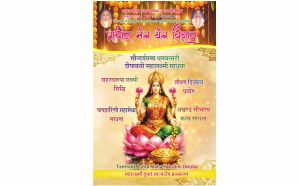
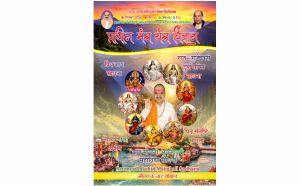
Pitras occupy a sacred place in Hindu thought because they represent our roots, our lineage, and our heritage. By remembering them, we acknowledge an important truth: none of us exists alone. We are the result of countless lives, sacrifices, and blessings. Shraaddha is therefore much more than a ritual. It is an act of gratitude, love, respect, and spiritual responsibility. It keeps family memory alive, provides comfort to grieving hearts, encourages charitable acts, & strengthens the bond between generations. SadGurudev Kailash Shrimali Ji will be initiating the sadhaks with Sarva Pirta Dosh Nivaran Diksha on Sarva Pitri Amavasya, 10th October, a day when Shraadha can be performed for all the ancestors. The divine energy passed on by SadGurudev will not only relieve the departed soul from the tortures they are going through, but it will also help the disciple in appeasing those departed souls. As a result, the ancestors get appeased on their offsprings and blesses them with good health, wealth, prosperity and success in life.
It is mandatory to obtain Guru Diksha from Revered Gurudev before performing any Sadhana or taking any other Diksha. Please contact Kailash Siddhashram, Jodhpur through Email , Whatsapp, Phone or Submit Request to obtain consecrated-energized and mantra-sanctified Sadhana material and further guidance,